3D Scanners for Process Plants and Energy

Long-range, mobile and wireless handheld 3D scanners for refineries, energy and process plants, from as-built surveys and digital twins to custom repair parts.

6 produits
Trier par
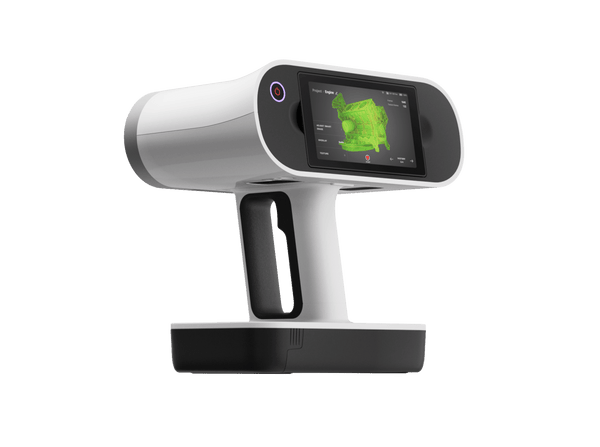
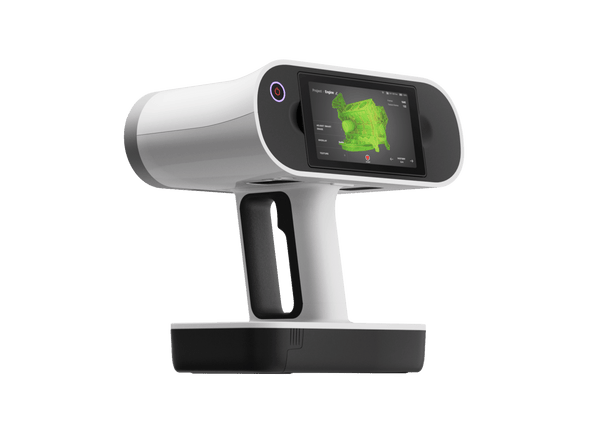
Artec Leo wireless 3D scanner with built-in touchscreen
Artec 3D

Artec Leo

★★★★★4.8 (6)
34 800 €
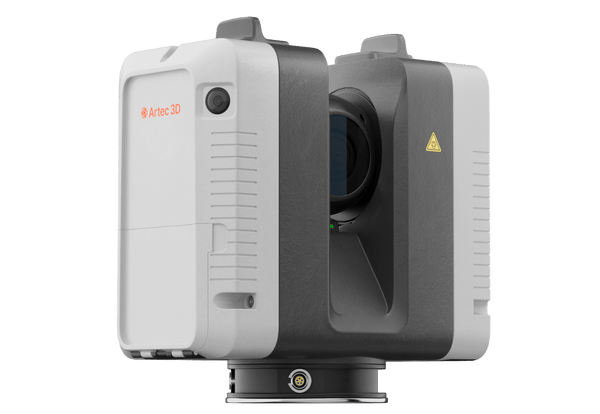
Artec Ray II long-range LiDAR 3D scanner
Artec 3D

Artec Ray II

★★★★★5.0 (2)
59 450 €
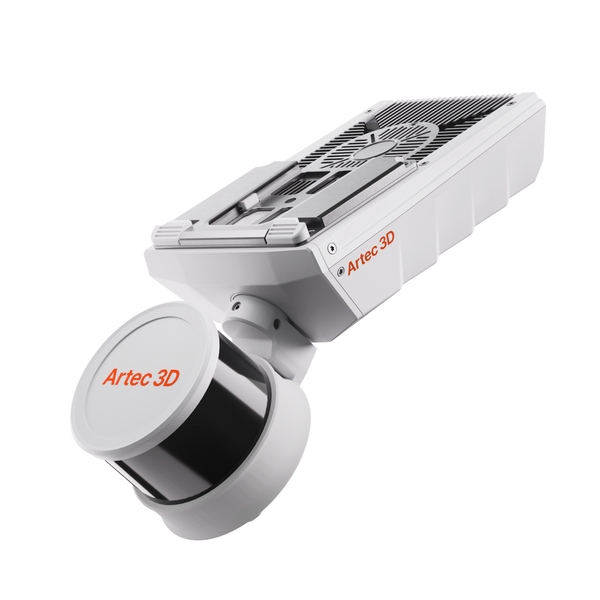
NewArtec Jet SLAM LiDAR mobile mapping scanner
Artec 3D

Artec Jet

38 500 €
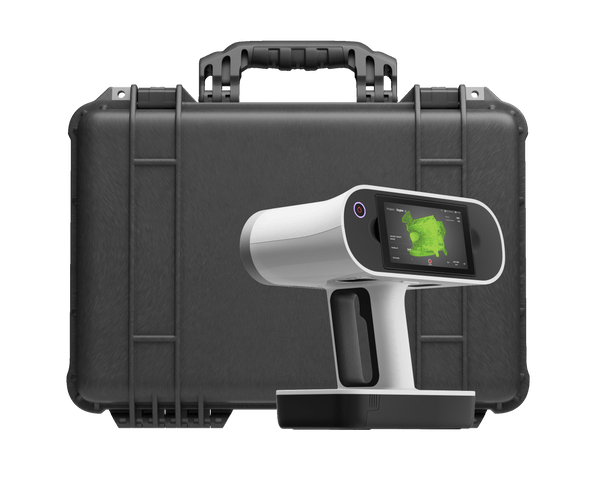
Artec Leo Premium Pack
Artec 3D

Pack Premium Artec Leo

48 750 €
Artec Ray II Premium Pack
Artec 3D

Artec Ray II Pack Premium

68 650 €
Choose by job

Match the scanner to the job

Site size, access and accuracy decide it. Most plant teams combine a site-scale scanner with Leo for components.

Units and piping

Precise as-built and retrofit

Pipe racks, pump rooms, production lines and factory floors for retrofit design
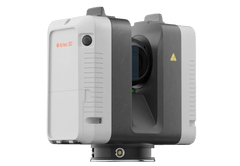
Artec Ray II59 450 €
  • 1.9 mm accuracy at 10 m
  • 0.5–130 m range, 360° × 300° view
  • Pre-aligned scans, IP54, hot-swap batteries
Whole sites

Fast site and asset mapping

Refineries, offshore platforms, flare stacks, confined spaces and stockpiles

Artec Jet38 500 €
  • ±10 mm indoor, ±5 mm change detection
  • Works in darkness and without GPS
  • Handheld, backpack, vehicle, cage or drone

Also consider Artec Twins — processes and merges Jet, Ray II and Leo data

Components

Pipework and repair parts

Leaking valves, offset piping, flanges, ductwork and pumps for custom clamps

Artec Leo34 800 €
  • Fully wireless, usable from a harness or lift
  • Contact-free, no targets on live lines
  • 0.1 mm accuracy, up to 35 mln points/s

From live plant to digital twin

Capture on site, then merge, analyze and hand off in Artec Twins or Artec Studio.

Artec Twins
  1. Map the site

    Walk, drive or fly the plant with Jet, even in dark or GPS-denied areas, and set up Ray II where retrofit design needs the highest accuracy.

  2. Capture components

    Scan valves, flanges and offset pipework with Leo, contact-free and wirelessly, while lines stay in service.

  3. Merge and analyze

    Artec Twins fuses Jet, Ray II and Leo data into one model for clearance checks, volumes, change detection and measurement.

  4. Design and hand off

    Design repair clamps and retrofit parts on the scan in Artec Studio, or export point clouds and meshes for plant design and BIM.

Real scan data

Real plant and piping scans

Piping systems, a regulating station, a workshop, power lines and a heavy machine: complex plant geometry captured for retrofit and maintenance.

Piping system, 12 m
Plant piping

Piping system, 12 m

One hour with Ray II from 26 positions, then 30 minutes with Leo for the tight spots: valves, flanges and fittings.

Scanned with
Artec Ray II + Artec Leo
Scan time
1.5 h
Processing
3 h

Results from plant teams

<45min

Waste piles inside a GPS-denied, poorly lit plant were mapped with Jet for volume measurement, 3 times faster than tripod scanning. The interior was flown by drone in 15 minutes.

Scanned withArtec Jet

6×

Damaged refinery piping is scanned with Leo in hot, cramped spaces while lines stay online. About 1 m² of piping takes under an hour instead of 5–6 hours of sketching.

Scanned withArtec Leo

Oil and gas, power and heavy industry

In oil and gas, one team scanned leaking refinery pipework with Leo in 15–20 minutes while the plant kept running, and designed custom repair clamps up to 18 times faster than from hand sketches. Jet maps flare stacks and confined spaces, and its cage and drone modes reach areas people should not enter.

In power generation and heavy industry, the same workflow documents pump rooms, pipe racks and production lines for retrofit design, and Jet’s ±5 mm change detection shows what moved between surveys. More than 400 replacement duct sections for a steel mill were made from Leo scans with zero measurement errors.

Questions about 3D scanning for plants and energy

Which scanner should I use in a process plant?

Ray II for precise as-built data of units, pipe racks and floors, at 1.9 mm accuracy at 10 m. Jet for mapping a whole site fast, including dark, confined or GPS-denied areas. Leo for close-up capture of valves, flanges and pipework.

Can I scan while the plant is running?

Yes. Leo is contact-free and wireless, and users scan leaking pipework at live refineries without a shutdown. Ray II’s Double Scan removes moving objects such as passers-by.

Does Jet work in dark or confined areas?

Yes. Jet’s active laser needs no ambient light, SLAM positioning works without GPS, and the cage and drone modes reach vertical shafts, voids and areas people should not enter. It is rated IP65.

How accurate is the data?

Ray II measures with 1.9 mm accuracy at 10 m. Jet reaches ±10 mm indoors and underground, ±15 mm in general environments and ±5 mm for change detection. Leo reaches up to 0.1 mm on components.

Which software do I need?

Artec Twins processes Jet data and merges it with Ray II and Leo scans into one digital twin for clearance checks, measurement and change detection. Artec Studio handles Ray II and Leo scans and design work on components. Both come as a yearly plan or a lifetime license.

Can I use the data in plant design or BIM software?

Jet exports LAS, LAZ, PLY and E57 point clouds, Artec Twins adds DXF and scan to BIM export, and Artec Studio exports meshes plus STEP, IGES or X_T.

Can I scan offshore platforms?

Yes. Jet maps refineries, offshore platforms and flare stacks handheld, on a backpack or by drone, and is rated IP65. Ray II is IP54-rated with hot-swappable batteries, and Leo is fully wireless for close-up work on components.

Can I measure stockpile volumes at a plant?

Yes. Artec Twins measures volumes, cross-sections and profiles. Jet mapped waste piles inside a poorly lit, GPS-denied facility for volume measurement and compliance in under 45 minutes, three times faster than tripod scanning.

Can I use them on bridges, tunnels and dams?

Yes. Jet surveys bridges, tunnels and dams with less scaffolding and rope access, and Ray II checks bridges, floodwalls and railways for deformation and damage, with data ready for analysis the same day.

Planning a plant survey?

See Jet, Ray II and Leo data from a plant like yours

Book a live demo with an Artec 3D expert. Talk through site size, access, accuracy and the deliverables your engineering team needs.