Jewelry 3D Scanners

Micron-level desktop and high-resolution handheld 3D scanners for rings, settings and fine pieces: capture, redesign, reproduce and archive jewelry in full color.

5 produktów
Sortuj według
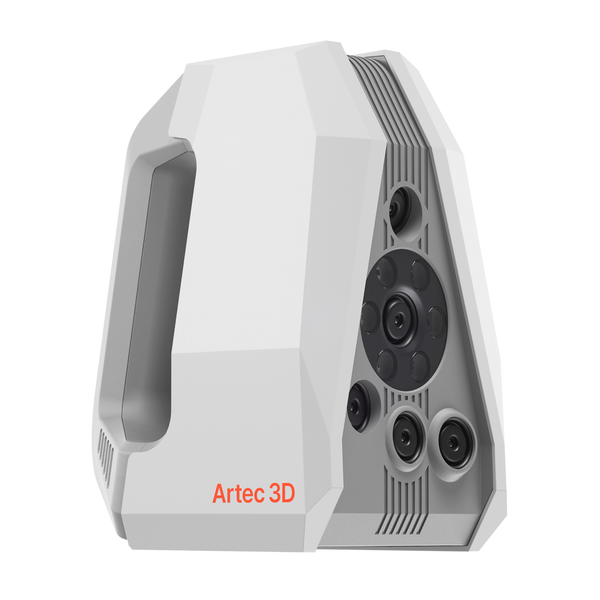
Artec Spider II high-resolution handheld 3D scanner
Artec 3D

Artec Spider II

★★★★★5.0 (2)
27 000 €
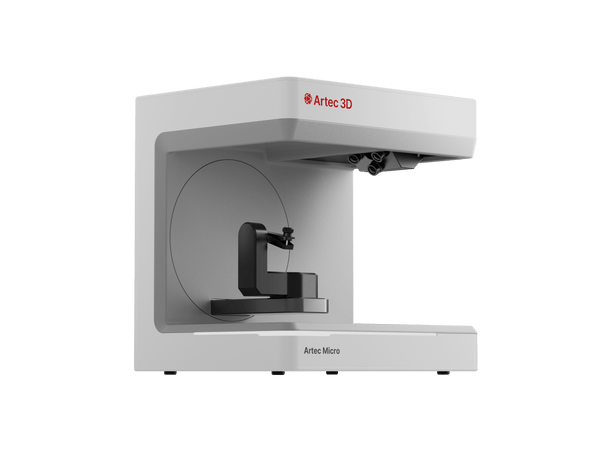
Artec Micro II automated desktop 3D scanner
Artec 3D

Artec Micro II

★★★★★4.5 (2)
19 800 €
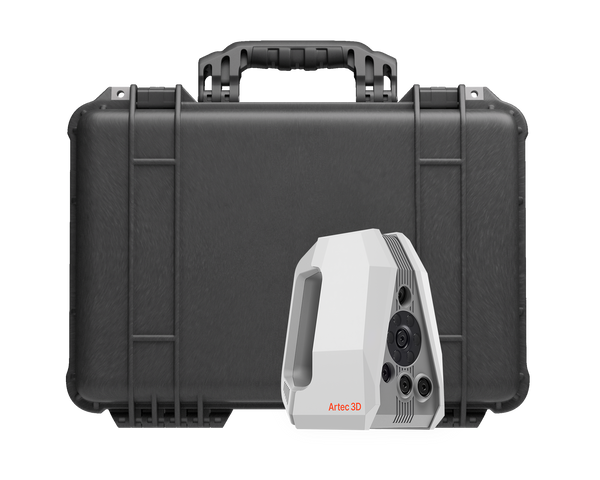
Artec Spider II Premium Pack
Artec 3D

Artec Spider II Premium Pack

37 700 €
Artec Micro II Premium Pack
Artec 3D

Artec Micro II Premium Pack

25 800 €
Artec Spider II Education Package
Artec 3D

Artec Spider II Education Package

★★★★★5.0 (1)
24 600 €
Choose by piece

Match the scanner to the piece

Small pieces and settings belong on Micro II. Spider II takes larger pieces, natural forms and work away from the bench.

Up to 20 cm

Rings, settings, small pieces

Rings, gem settings, pendants, watch parts and coins
Artec Micro II19 800 €
  • Up to 5 µm accuracy, 2 µm repeatability
  • Four 13 MP cameras see into recesses
  • One click, full color plus photo texture
Handheld, ≈5–50 cm

Larger pieces, natural forms

Larger pieces, historic jewelry on site, flowers and leaves for new collections

Artec Spider II27 000 €
  • 0.05 mm resolution and accuracy
  • No markers; tracking holds on fragile forms
  • Handles black and shiny surfaces

From piece to castable model

One workflow in Artec Studio Pro, whichever scanner you choose.

Artec Studio Pro
  1. Scan the piece

    Place it on Micro II and press one button, or capture larger and delicate pieces by hand with Spider II.

  2. Build the model

    Artec Studio fuses the scans into a watertight, full-color model with engravings and fine relief intact.

  3. Redesign in CAD

    Fit CAD primitives and export STEP, IGES or X_T, or send the model straight to SOLIDWORKS.

  4. Print, cast, archive

    Export STL or OBJ for 3D printing and casting, and keep a digital record of every piece.

Real scan data

Real scans of jewelry

A sculpted ring, a pendant, a faceted gemstone, a pocket watch and a coin: tiny ornament, facets and engravings, all sharply preserved.

Sculpted ring
Ring

Sculpted ring

Tiny dots and a hollow underside on a sculpted ring, resolved at micron level.

Scanned with
Artec Micro (previous generation)
Scan time
25–30 min
Processing
45–50 min

Results from jewelry projects

50%

Real hydrangea petals were scanned without markers to shape a floral collection. Flower to cast took 25 days instead of about a month, and one flower gave over a dozen reusable forms.

Scanned withArtec Spider II

≈1h

A priceless historic ring was scanned contact-free so a museum could produce a gold replica. Scan, cleanup and file delivery took about an hour, fine inscription included.

Scanned withArtec Spider II

Micro II or Spider II?

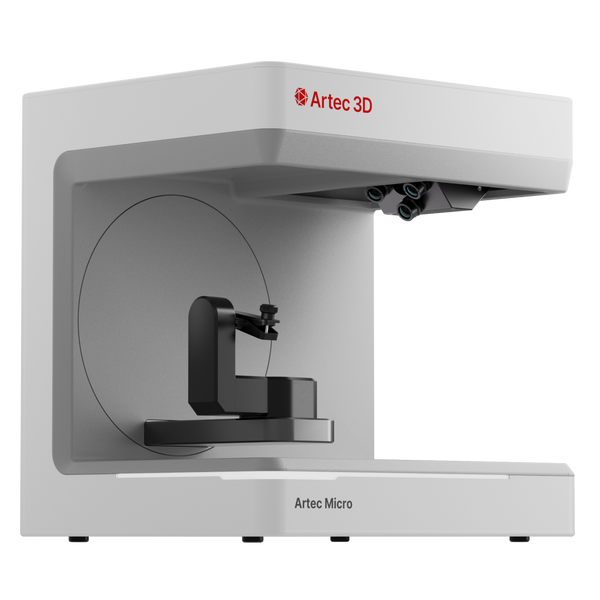
For rings, gem settings, pendants and other small pieces, Artec Micro II is the natural choice. This desktop scanner moves the piece along the ideal path by itself, reaches up to 5 µm accuracy with 2 µm repeatability, and its four 13 MP cameras see into recesses and around sharp edges. Pieces up to 200 × 200 × 150 mm and 2 kg fit.

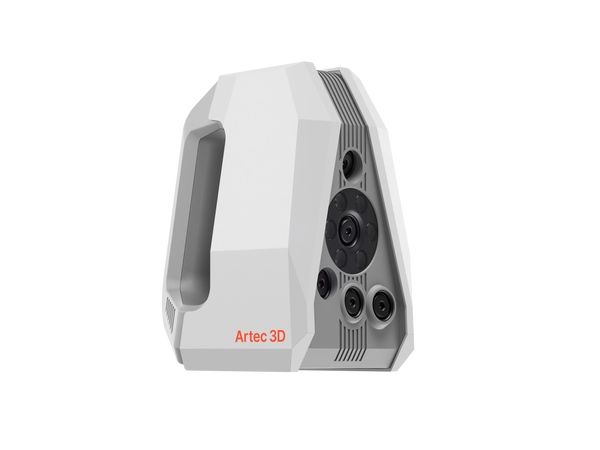
Artec Spider II is the handheld option for larger pieces, historic jewelry scanned on site and natural forms such as flowers and leaves for new collections. It works at 0.05 mm without markers and handles black and shiny surfaces.

How much does a jewelry scanner cost?

In our store, Artec Micro II is 19 800 € and Artec Spider II is 27 000 €. Which one fits depends on your pieces: Micro II for daily work on small pieces at the bench, Spider II for larger pieces, natural forms and work away from the bench.

If you scan every day, consider a Premium Pack. The Micro II Premium Pack, at 25 800 €, adds five years of Artec Studio and a longer warranty. The Spider II Premium Pack, at 37 700 €, adds a battery, the Artec Turntable, five years of Artec Studio, a 5-year warranty and a 5-year Hot Swap contract.

Questions about 3D scanning for jewelry

Which 3D scanner is best for jewelry?

Artec Micro II for rings, settings and other small pieces, at up to 5 µm accuracy with one-click automated scanning. Artec Spider II for larger pieces, natural forms and handheld work, at 0.05 mm.

Can it scan polished metal?

Spider II handles black and shiny surfaces. On Micro II, material and surface finish can slightly affect noise; jewelers scanning highly polished metal have used a light scanning spray.

Can I turn a scan into an editable CAD model?

Yes. Artec Studio fits CAD primitives and exports STEP, IGES or X_T, or sends the model straight to SOLIDWORKS. For 3D printing and casting, export STL or OBJ.

How large can a piece be on Micro II?

Up to 200 × 200 × 150 mm and 2 kg. Larger pieces, or pieces that have to be scanned on site, are captured by hand with Spider II.

Do I need scanning experience?

No. Micro II plans the scan path itself, so results are consistent whoever runs the scan. Spider II shows coverage live as you scan.

Can I see scans of pieces like mine before buying?

Yes. Book a demo and an Artec 3D expert will show the workflow on pieces like yours and help you choose the right scanner.

Can Spider II scan small pieces automatically?

Yes, with the Artec Turntable. It turns the piece in sync with Artec Studio for automated, target-free capture with the same setup every time. The Turntable is included in the Spider II Premium Pack and is also sold on its own.

Can I keep a digital archive of my pieces?

Yes. Both scanners capture full color, so every piece can be stored as a textured 3D record for redesign, replicas and archives. Export OBJ or PLY with texture, or STL for 3D printing and casting.

Not sure which scanner fits?

See micron-level scans of pieces like yours

Book a live demo with an Artec 3D expert. Bring your questions about piece sizes, polished surfaces and your CAD software.