3D Scanners for Prosthetics and Orthotics

Handheld 3D scanners that replace plaster casting: capture residual limbs, feet and torsos in minutes, contact-free, for sockets, orthoses, braces and covers.

9 prodotti
Ordina per
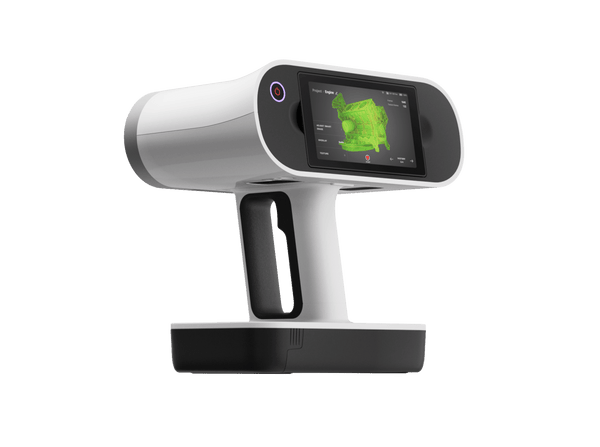
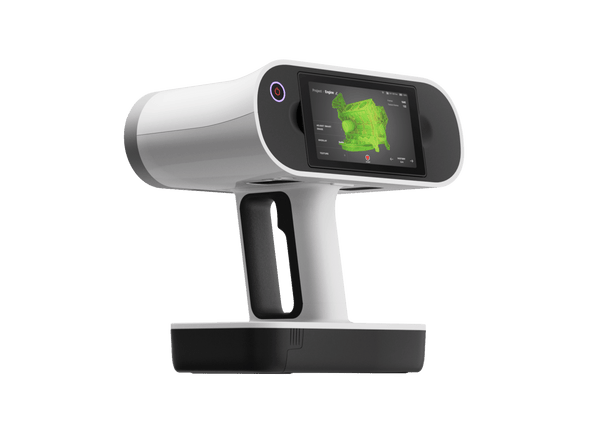
Artec Leo wireless 3D scanner with built-in touchscreen
Artec 3D

Artec Leo

★★★★★4.8 (6)
34.800 €
Artec Spider II high-resolution handheld 3D scanner
Artec 3D

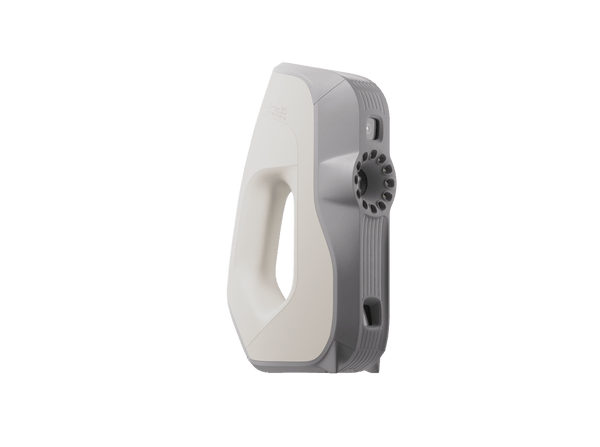
Artec Spider II

★★★★★5.0 (2)
27.000 €
In offertaArtec Eva handheld 3D scanner
Artec 3D

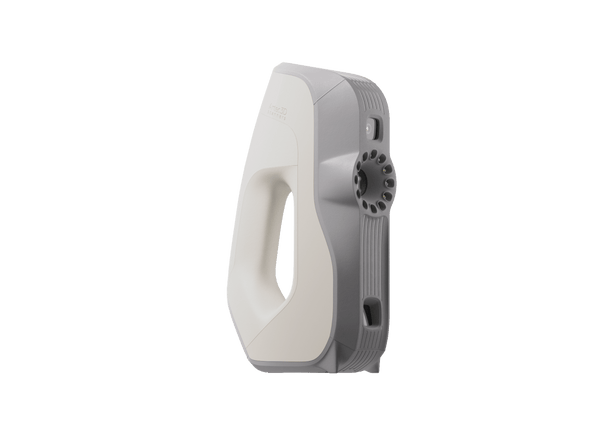
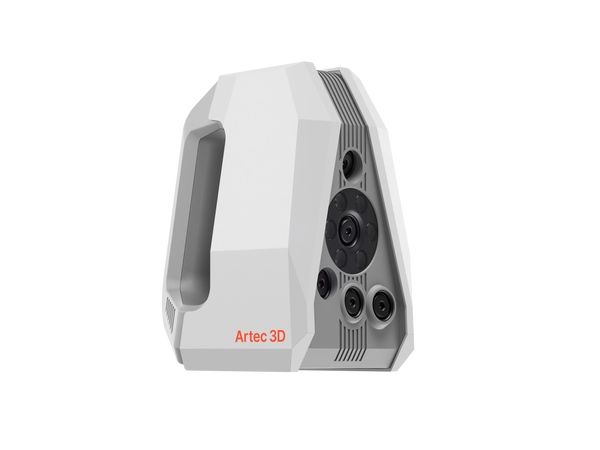
Artec Eva

★★★★★4.8 (4)
9.900 €13.700 €
Artec Leo Premium Pack
Artec 3D

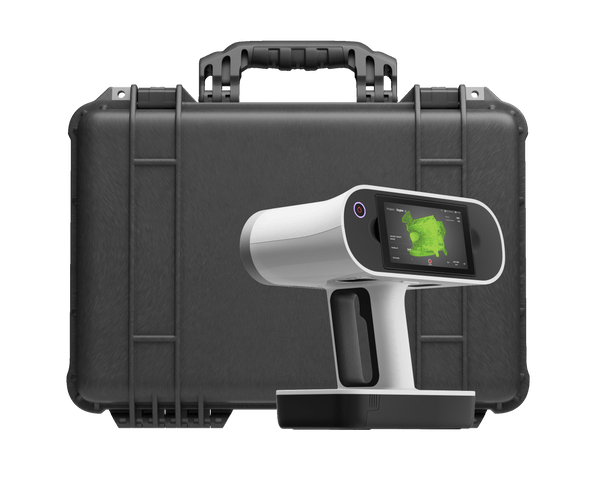
Artec Leo Premium Pack

48.750 €
Artec Spider II Premium Pack
Artec 3D

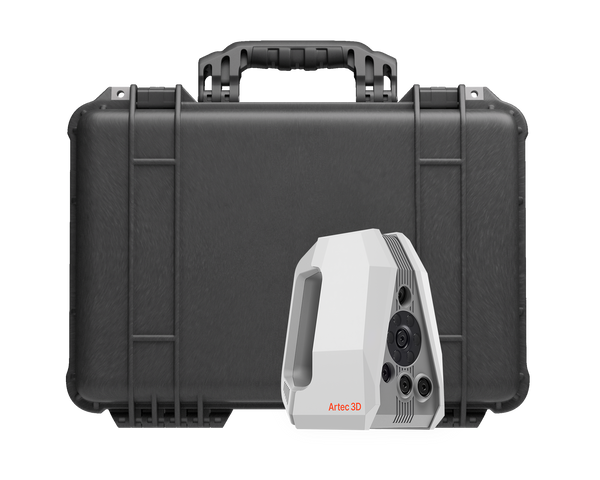
Artec Spider II Premium Pack

37.700 €
Artec Eva Premium Pack
Artec 3D

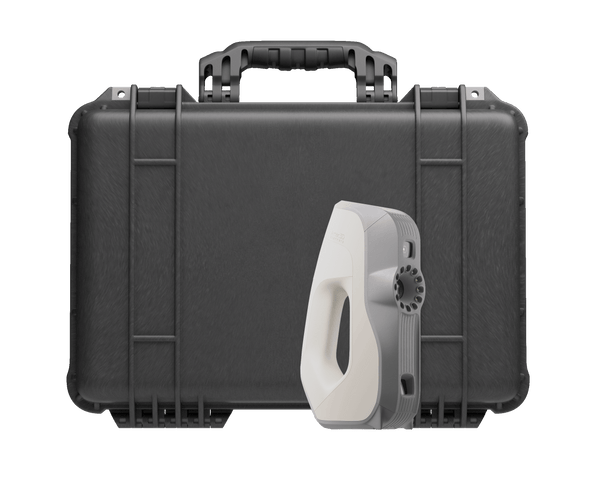
Artec Eva Premium Pack

19.585 €
Artec Spider II Education Package
Artec 3D

Artec Spider II Education Package

★★★★★5.0 (1)
24.600 €
Artec Eva Education Package
Artec 3D

Artec Eva Education Package

★★★★★5.0 (1)
12.590 €
Choose by body area

Match the scanner to your patients

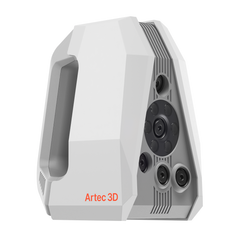
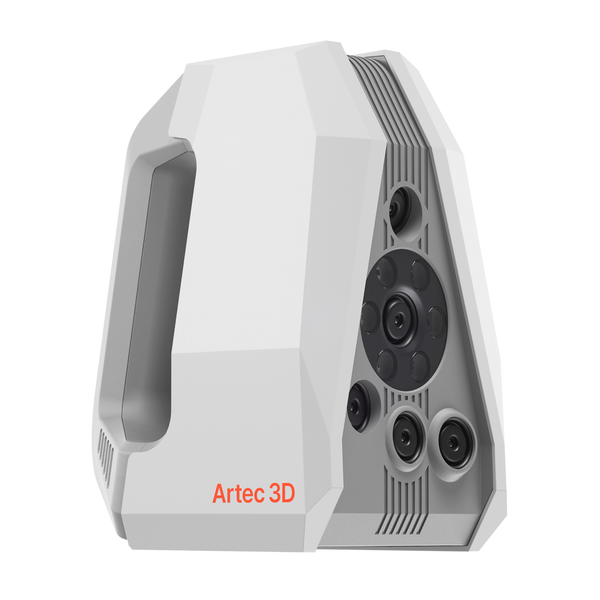
Eva is the workhorse for limbs and torsos. Leo frees you from the laptop. Spider II adds fine detail on small areas.

Limbs, feet, torsos

Limbs, feet and torsos

Residual limbs, feet, torsos, and the inside of casts and sockets
Artec Eva9.900 €
  • A limb in minutes instead of plaster
  • 0.1 mm accuracy, full color, no targets
  • Under 1 kg, optional 6 h battery
Up to full body

Wireless, around the patient

Residual limbs, legs, torsos and full bodies, in clinics, wards or remote sites

Artec Leo34.800 €
  • Screen built in: no PC to watch
  • Fully wireless, exchangeable battery
  • 0.1 mm accuracy, 2.3 MP color
Small areas, fine detail

Small areas and devices

Small body areas, molds, sockets and finished 3D-printed devices

Artec Spider II27.000 €
  • 0.05 mm resolution and accuracy
  • Eye-safe blue LED, nothing on the skin
  • Checks printed parts against the design

From limb scan to fitted device

One digital workflow in place of plaster, whichever scanner you choose.

Artec Studio Pro
  1. Scan the patient

    Capture the residual limb, foot or torso in minutes with live on-screen feedback. No plaster, no markers, no mess.

  2. Build a clean model

    Artec Studio fuses the scans into a watertight model and compensates for small patient movements. The scan is stored for repeat devices.

  3. Design the device

    Export STL or OBJ to your socket or orthosis design software, and mirror the healthy side where symmetry matters.

  4. Print or mill

    3D print the device or mill a positive, then scan the result to check it against the design.

Real scan data

Real scans of body shapes

A full body and a face: limbs, torsos and contours captured contact-free in minutes, the starting point for sockets and orthoses.

Full body scan
Full body

Full body scan

A standing person in four minutes, with a tablet and battery pack.

Scanned with
Artec Eva
Scan time
4 min
Processing
15 min

Results from prosthetics and orthotics

75%

Scanning residual limbs, molds and sockets replaced 8+ hours of plaster casting. Scan to fit takes about two weeks, and the scanner paid off in about two months.

Scanned withArtec Eva

120+

Healthy and residual legs are scanned, often on home visits by one person, to design symmetrical prosthetic covers. A scan usually takes under a minute.

Scanned withArtec Eva

≈95%

Residual-limb scans replace plaster casting and train an AI model that designs prosthetic sockets, automating the corrections common to most patients and saving hours of manual CAD work.

Scanned withArtec Leo

Foot scans for orthotics and insoles

For custom foot orthoses and insoles, a handheld 3D scanner replaces plaster casting with a digital model of the foot. Artec Eva captures a foot in minutes, contact-free and in full color, at up to 0.1 mm accuracy, with nothing stuck on the skin, and Artec Studio compensates for small movements.

Export the model as STL or OBJ to your orthotic design software, or straight to milling and 3D printing; it stays on file for repeat devices. Spider II then checks finished 3D-printed devices against the design at 0.05 mm.

Unlike a foot scanner you stand on, Eva moves around the patient, so the same device also scans legs and torsos for orthoses and residual limbs for prosthetics.

From residual limb to socket

Prosthetists scan the residual limb instead of casting it. One workshop that replaced 8-hour plaster casting with minutes of scanning cut the time per device by up to 75% and paid off the scanner in about two months.

Eva also scans the inside of casts, molds and sockets, and Leo works around the patient with no laptop. Residual-limb scans can even feed AI design tools: one team trained a model on them that automates about 95% of socket mold corrections.

In our store, Eva is 9.900 €, Leo is 34.800 € and Spider II is 27.000 €. The Eva Premium Pack adds a battery, a hard case, five years of Artec Studio and a 5-year warranty.

Questions about 3D scanning for prosthetics and orthotics

Which 3D scanner is best for prosthetics and orthotics?

Artec Eva covers most O&P work: residual limbs, feet and torsos, plus the inside of casts and sockets. Artec Leo does the same fully wireless, with its own screen. Artec Spider II adds 0.05 mm detail for small areas and for checking finished parts.

How does scanning compare with plaster casting?

Workshops report capturing a limb in minutes where plaster casting took hours, and cutting time per device by up to 75%. Scans are stored digitally, so there are no plaster positives to keep and data can be reused for repeat devices.

Can I scan the inside of a cast or socket?

Yes. Prosthetists use Eva to scan the inside of casts, molds and sockets as well as the limb itself.

What if the patient moves?

Scans take seconds to minutes, which suits children and elderly patients, and Artec Studio can compensate for small movements during capture.

Can I scan on home visits?

Yes. Eva weighs under 1 kg and runs up to 6 hours on its optional battery with a tablet. Leo has its own battery, computer and screen, so no laptop is needed.

Which file formats and software do I need?

Artec Studio exports STL, OBJ or PLY for O&P design software, milling and 3D printing. Premium Packs include five years of Artec Studio.

Is a foot scan accurate enough for orthotics?

Eva reaches up to 0.1 mm 3D point accuracy and Spider II 0.05 mm. In practice the result depends mostly on how still the patient holds the foot during the scan, which takes minutes.

Can I scan the torso for braces?

Yes. Eva captures a torso in minutes instead of a plaster cast, and Leo lets you walk freely around a standing patient with no laptop. Export STL or OBJ to your brace design software.

Ready to replace plaster?

See contact-free limb scanning on patients like yours

Book a live demo with an Artec 3D expert. Bring your questions about body areas, home visits and your O&P design software.